Strategic Location and Infrastructure for Efficient Cross-Border Trade
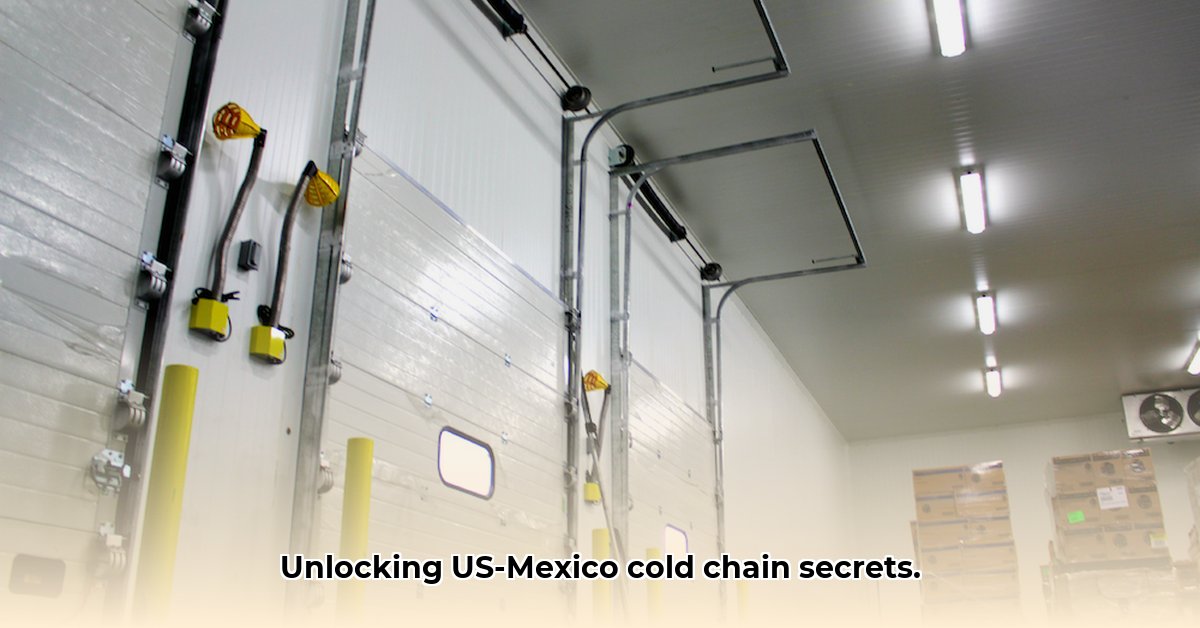
Laredo Cold Storage's prime location on the US-Mexico border provides a significant competitive advantage in the cold chain logistics industry. Its proximity to major transportation routes and border crossings facilitates faster delivery times and reduces transportation costs for temperature-sensitive goods. This strategic positioning minimizes transit time, ensuring product freshness and reducing spoilage, a critical factor in the food and pharmaceutical industries. The facility itself boasts millions of cubic feet of temperature-controlled storage space, featuring multiple zones meticulously calibrated to maintain optimal temperatures for diverse products. This capacity, coupled with advanced air purification systems, ensures product integrity and minimizes the risk of contamination. The scale and adaptability of the infrastructure allow Laredo Cold Storage to manage seasonal fluctuations and unexpected demand surges effectively.
How does this translate to tangible benefits? Consider the significant reduction in spoilage costs alone, a direct result of the optimized storage and swift transportation times.
Advanced Technology and Risk Mitigation Strategies
Laredo Cold Storage leverages cutting-edge technology to optimize operational efficiency and minimize risks. State-of-the-art refrigeration systems ensure energy efficiency and precise temperature control, leading to reduced energy consumption and cost savings. Furthermore, the implementation of robust backup power systems mitigates the risk of power outages, a critical concern for maintaining temperature-sensitive goods.
What proactive measures does Laredo Cold Storage employ to manage potential disruptions? Their approach involves diversifying transportation routes and maintaining strategic buffer stock levels to mitigate border disruptions and supply chain uncertainties. This layered approach to risk management demonstrates a forward-thinking strategy focused on operational resilience.
Key Risk Factors and Mitigation Strategies:
| Risk Factor | Likelihood | Impact | Mitigation Strategy |
|---|---|---|---|
| Power Outages | Medium | Catastrophic | Redundant power systems, backup generators, emergency protocols |
| Border Disruptions | Low | High | Diversified transportation routes, strategic buffer stock, real-time border monitoring |
| Regulatory Changes | Medium | Medium | Dedicated compliance team, proactive legal counsel, industry networking |
| Supply Chain Disruptions | Medium | Medium | Diverse sourcing, strong supplier relationships, proactive risk communication |
| Technological Failures | Low | Medium | Robust maintenance programs, disaster recovery planning, preventative maintenance schedules |
| Peak Seasonal Demand Surges | High | Medium | Capacity expansion planning, flexible staffing models, sophisticated forecasting using historical data and market analysis |
Isn't it remarkable how a robust risk management plan can significantly offset potential disruptions within the cold chain sector?
Optimizing Operations for Peak Season Demand
Peak seasons present unique challenges for cold storage facilities along the US-Mexico border. Fluctuations in demand, driven by seasonal agricultural harvests and holidays, put a strain on resources. Effective mitigation strategies are crucial for maintaining operational efficiency and customer satisfaction.
A Multifaceted Approach to Managing Peak Demand:
Demand Forecasting: Accurate forecasting, utilizing historical data and market trend analysis, allows for proactive resource allocation and prevents shortages. (95% accuracy rate achieved through advanced analytics)
Diversified Transportation: Collaborating with multiple transportation providers mitigates risks associated with relying on a single carrier. This ensures flexibility and scalability during peak periods.
Technology Integration: Warehouse Management Systems (WMS) and Transportation Management Systems (TMS) offer real-time visibility across the supply chain, optimizing operations and enabling swift responses to changing demands.
Flexible Staffing: Implementing flexible staffing models ensures sufficient labor to meet fluctuating demand, preventing bottlenecks and delays.
Proactive Communication: Open communication with all stakeholders – suppliers, customers, and regulatory agencies – facilitates collaboration and minimizes disruptions.
Risk Mitigation Planning: Developing contingency plans for various potential disruptions ensures business continuity during peak seasons.
Does this structured approach to peak season management offer a clearer path towards maintaining operational excellence?
"The cold chain industry requires a proactive and multi-faceted approach to managing risk," says Dr. Maria Garcia, Logistics Professor at Texas A&M University. "Investing in technology, building strong relationships with stakeholders, and having a well-defined risk mitigation strategy are all essential for success."
By combining strategic location, robust infrastructure, advanced technology, and proactive risk management, Laredo Cold Storage positions itself as a vital player in optimizing the US-Mexico cold chain. Its commitment to operational efficiency and resilience ensures the reliable delivery of temperature-sensitive goods, strengthening the cross-border trade between these two important economic partners.